

It starts innocently. You’re scrolling on TikTok, and suddenly, everyone is wearing that viral Miu Miu micro-skirt. One week later, it’s a Saint Laurent sheer dress. Before you know it, you’ve emptied your cart (and possibly your bank account) just to keep up. But here’s the problem—by the time you wear it, the hype is dead. And the cycle repeats.
Welcome to the trend treadmill, where staying “fashionable” is more about surviving a never-ending loop than actually having style.
More Posts
- Create AI-Generated Images & Animation for Free on IG
- Decoding the Fashion Trends: Embrace, Adapt, and Personalize for Stylish Success
- Leather Pants Decoded: Your Burning Questions Answered
Breaking Free From The Trend Illusion
Fashion trends aren’t just random bursts of creativity. Have you ever wondered why the entire fashion industry, from designers to retailers and influencers, suddenly agrees on a specific “trendy” piece of clothing or accessory, as if by unanimous decision? The industry thrives on “planned obsolescence,” a term borrowed from tech and used by fast fashion giants like Zara and Shein to engineer trends with an expiration date. Think about it—why do we suddenly “need” low-rise jeans again, just as we got comfortable in our high-waist era?
Not long ago, everyone was bashing skinny jeans, calling them outdated and completely out of style. In those street-style vox pops, random people are interviewed and magically agree that skinny jeans are their favorite least fashion trend, gaslighting the viewers into thinking that they should ditch their skinny jeans immediately—because otherwise, it’s not cool anymore.
It’s not a coincidence. It’s capitalism at its finest. The faster styles change, the more money brands make. A McKinsey report even states that the average clothing consumption has doubled since 2000, but the lifespan of garments has shortened dramatically.
Who Decides What’s Trendy? (Hint: It’s Not You)
Think you’re making independent fashion choices? Think again. Trends are dictated by a mix of luxury brands, celebrities, fashion magazines, and Tiktok/Instagram algorithm. Designers push a concept, influencers and the press make it viral, and suddenly, you feel pressured to participate—or risk looking outdated. It’s psychological warfare wrapped in a cute aesthetic.
Social media, especially Instagram, have turned fashion into a visual competition where every outfit, accessory, and even lifestyle choice like the food you’re eating must be picture perfect. The pressure to curate a flawless aesthetic fuels micro-trends that explode overnight and disappear just as fast. Right now, if an item doesn’t fit the current “clean girl,” “mob wife,” or “old money” aesthetic, it’s immediately dismissed as irrelevant. Brands capitalize on this obsession by constantly feeding consumers new “must-haves” designed to look good on the grid rather than stand the test of time. The result? A culture where style is dictated by what photographs well, not what actually lasts. By the time you buy something “trendy,” people already calling it “cheugy.”
Trendsetters vs Trend Chasers
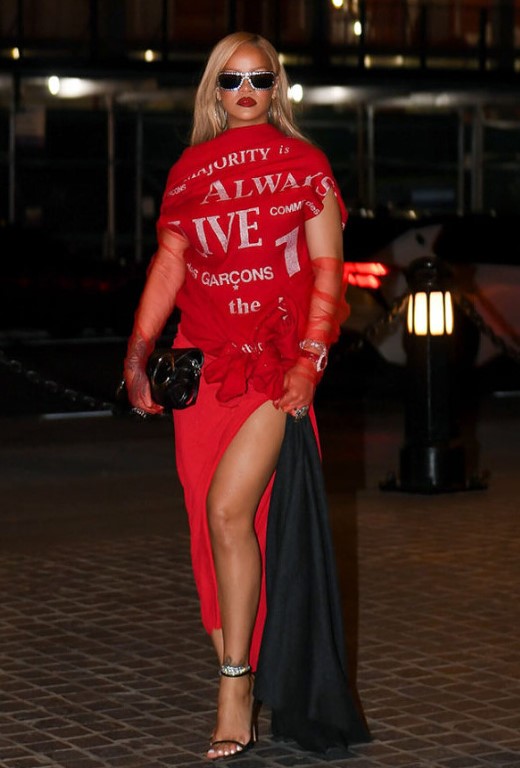
The most stylish people in history—from Audrey Hepburn to Rihanna—aren’t trend chasers. They’re trendsetters. And the difference? Trendsetters don’t wait for someone else to tell them what to wear. They cultivate a personal aesthetic that feels authentic, not dictated. Their style becomes iconic not because it chases relevance, but because it is relevant.
Real style is about identity, not imitation.
Unfollow the Noise
The biggest flex in fashion? Wearing whatever the hell you want, whenever you want—without waiting for social media’s approval. Trends will always come and go—designers need to push new collections, retailers need to sell, influencers need fresh content, and the press needs a new headline. It’s a cycle designed to keep consumers constantly chasing the next big thing. But the truly stylish and self-assured don’t get swept up in the hype—they master it. They experiment without blindly following, invest in pieces that align with their personal aesthetic, and curate a wardrobe that evolves on their terms. Instead of being dictated by the fashion industry, they make it work for them, turning trends into tools rather than rules.
 Risky & Refined